Contents
Marketing leaders are asking the same question right now: why aren’t our leads converting? On paper, everything looks positive. Traffic is increasing, campaigns are generating enquiries, and dashboards suggest performance is heading in the right direction. Yet when you look at revenue or pipeline impact, the progress often feels slower than expected.
So, what’s really going on?
If you’ve ever wondered why leads don’t convert, you’re not alone. Many marketing teams are realising that their biggest growth challenge isn’t attracting attention or generating demand. It’s what happens next. Somewhere along the customer journey, valuable prospects are slipping through the cracks, and that conversion leakage can quietly undermine even the strongest campaigns.
Conversion Barriers
See why campaigns don't convert and make the most of every lead
The encouraging part is that once you understand where leads are dropping out, it becomes much easier to act. A lot of the time, small changes can unlock meaningful improvements in performance.
Let’s take a closer look at the most common reasons leads don’t convert, and how high-performing teams are fixing the problem.
Why leads don’t convert: The hidden problem in most funnels
Most marketing funnels look healthy at the top with lots of clicks, enquiries, and leads flowing into the CRM. But conversion rates can still remain stubbornly low.
The reason is simple: most teams are only seeing part of the customer journey.
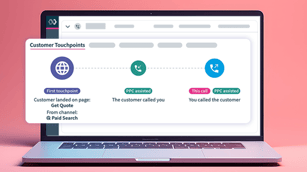
When customers move from digital interactions to real conversations, especially phone calls, tracking often breaks down. As a result:
- Marketing teams optimise campaigns based on incomplete data
- High-intent prospects slip through the cracks
- Valuable leads are incorrectly labelled as “low quality”
In other words, the issue isn’t always poor lead quality. It’s poor visibility into what happens after the lead arrives.
5 reasons your best leads don’t convert
1 You’re generating leads, not sales-ready prospects
Not all leads are equal in value. Many campaigns optimise for volume rather than intent, which means teams celebrate growing lead numbers without asking a critical question:
Are these leads actually ready to buy?
If marketing platforms are optimising for form fills or clicks instead of sales outcomes, campaigns can end up attracting low-intent prospects.
High-performing teams focus on signals that indicate true buying intent, like:
- Qualified phone enquiries
- High-value conversations
- Repeat interactions with sales teams
These signals provide stronger indicators of conversion likelihood than simple lead volume.
2 Your attribution model is missing key interactions
Another major reason leads don’t convert is incomplete attribution.
Many reporting models track:
- Website sessions
- Form submissions
- Digital clicks
But they struggle to capture what happens when customers switch channels.
For businesses where conversations drive revenue, such as travel, automotive, finance, and healthcare, phone calls often represent the highest-intent conversion point.
Without visibility into these interactions, marketers run the risk of:
- Over-investing in underperforming channels
- Underestimating campaigns driving real revenue
- Optimising towards the wrong signals
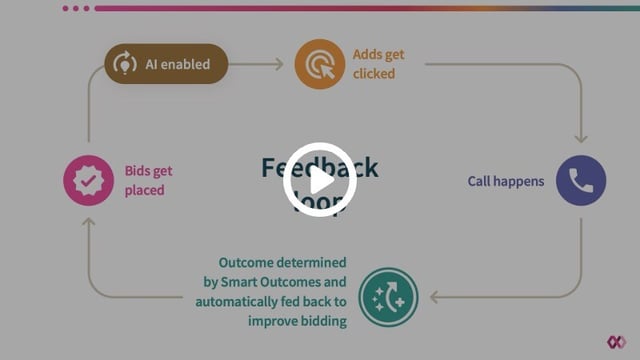
This creates a feedback loop where campaigns generate leads that look good on paper but don’t convert in reality.
Building the AI feedback loop for PPC
3 Sales and marketing are optimising for different outcomes
Another hidden conversion barrier is misalignment between sales and marketing teams.
Marketing may optimise for:
- Lead volume
- Cost per lead
- Click-through rates
Meanwhile, sales cares about:
- Qualified pipeline
- Conversion rates
- Revenue potential
When those goals don’t align, conversion problems are inevitable.
For instance, marketing might deliver hundreds of leads that technically meet campaign criteria, but sales might find that only a small percentage are actually worth following up.
The result? Plenty of leads, but poor conversions.
The most effective teams close this gap by using shared performance signals, ensuring campaigns optimise for revenue outcomes rather than surface-level metrics.
4 Conversion barriers go undetected
High-intent prospects may be ready to buy, but small moments of friction like long wait times, calls being routed incorrectly, unavailable products, missed objections, or unclear next steps can derail the opportunity.
The challenge is that these issues rarely show up in standard marketing reports, leaving teams guessing why strong enquiries don’t turn into revenue.
Increasingly, AI analysis of call outcomes is helping marketers spot exactly where good leads go bad, whether that’s because of trust concerns, targeting mismatches, or operational gaps.
Removing small conversion barriers can dramatically improve performance.
Identifying and resolving friction points in customer conversations can lead to:
- Higher conversion rates
- Lower cost per acquisition
- Better customer experiences
Once these barriers are identified, teams can refine messaging, improve sales conversations, and redirect spend towards activity that truly converts.
5 Marketing platforms aren’t learning what “good” looks like
Modern advertising platforms rely heavily on machine learning. Tools like Google Ads, Meta, and Microsoft Ads optimise campaigns based on the signals marketers provide.
But if the signals are weak, like form fills without outcome data, algorithms struggle to identify which leads actually drive revenue.
The result? Campaigns scale activity, but not performance.
High-performing marketing teams solve this by feeding platforms rich first-party signals that show which interactions truly convert.
This helps bidding algorithms prioritise high-value prospects rather than low-intent leads.

Ultimate guide to paid media optimisation
How high-performing marketing teams fix lead conversion issues
Once marketers identify why leads don’t convert, the solution usually involves improving visibility and optimisation signals across the entire customer journey.
The most effective teams focus on three priorities:
- Track the full customer journey - connect marketing activity to real outcomes, especially conversations that influence purchasing decisions.
- Optimise campaigns for quality, not volume - use signals that reflect sales readiness, not just engagement.
- Feed better signals into AI-driven platforms - provide advertising platforms with richer data so algorithms can prioritise high-value conversions.
When all these things come together, marketers often see improvements in conversion rate, CPL, ROAS and pipeline contribution.
In other words, the same marketing budget produces better results.
In short: if you want to improve conversions, start by understanding the full story behind your leads, not just how they arrive, but what happens next.
Because when you can see the whole journey, you can finally fix the parts that stop your best leads from converting.

Ready to unlock real audience insight at scale?
Discover how our call intelligence will help you
Book a demo
Related posts
Categories: All Digital Marketing Interviews Marketing News PPC





1 Jul 2026 in Digital Marketing
How To Use Marketing Attribution Software to Enhance your Multi-touch Attribution Reporting
Read more

18 May 2026 in Digital Marketing
B2B Marketing Attribution Software: The Ultimate Guide for Marketers
Read more